“Corrective memory” (Mandela Effect)

steinbears

In my early 20s, I had memorized every batting champion and pennant winner in baseball history, so I decided to tackle home run leaders next. I went to the shelf to retrieve the book that contained this information and it was nowhere to be found. I only thought I had put it there. The brain that had soaked up a thousand pieces of baseball information in the previous week failed me when I tried to recall where I had put the book earlier that day.

Probably all of us have had these false memories, but when the same delusion happens on a mass scale, it is dubbed the Mandela Effect. This refers specifically to the aftermath of Nelson Mandela’s death in 2013, when many persons were certain they had seen his funeral procession years earlier.

Another well-known example of the Effect is many persons thinking they recall a film that never existed, Shazaam, starring Sinbad. Also, the Berenstain Bears are frequently mis-remembered as “Berenstein.”

It’s unclear why these phenomenon happen. With the anthropomorphic grizzlies, it has been speculated that since “stein” is a much more common ending for last names than is “stain,” those who grew up with the Bears were exposed to many more examples of the former. This may have helped created a false memory, which would be easy enough since the stain/stein distinction was less important than the Bears’ personalities, appearance, and adventures.

As to the fictitious flick, persons likely confused it with Kazaam, Shaquille O’Neal’s tragicomic attempt at thespian arts. Shaquille and Sinbad sound somewhat similar, and the latter has Middle Eastern fantasy overtones, so the blanks were filled in with false memories.

As to the example that gives the Effect its name, when Mandela was released from prison in 1990, there was a march that may have resembled a beloved figure’s funeral procession in terms of length, attendance, tributes, and displayed emotions. His release and its immediate aftermath may be what persons are mistakenly remembering as a funeral.

Offering a more paranormal rationale is ghost hunter and psychic Fiona Broome, who wrote that this might be evidence of an alternate universe. As she describes it, we may move in and out of these universes, sometimes taking memories with us. But if this were true, we would also be sliding out to a reality where Mandela still lives and another where he overthrew the South African government in the 1960s, and no one is claiming to have recalled these circumstances.

Broome is not offering a testable hypothesis so there’s nothing substantive we do with her idea. Instead, let’s consider more reasonable alternatives.

Brains confabulate invented recollections to fill in memory gaps. We might, for example, misattribute later memories to earlier events, or think our childhood trip to the creek was with our best friend when it was really with his brother. These fabricated recollections are sometimes provided by someone else. While a few persons may have mistakenly remembered Hannibal Lecter telling the FBI trainee,  “Hello, Clarice,” many more people think they recall this line because they heard someone else saying it. Indeed, being exposed to a false memory can cause it to become implanted.

And if the false memory centers on something important to the listener, confirmation bias makes it even more likely to take hold. One of the Birther claims was that Obama’s step-grandmother was captured on tape talking about his Kenyan birth. No such tape exists, but Birthers continued to parrot it because the idea was attractive to them. Conversely, the 1990 New York Times article describing Obama as Hawaiian-born is not something they would be likely to remember.

So then, common cognitive errors are all that is needed to explain the Mandela Effect. At least that’s the case in our parallel dimension.

“We’re note worthy” (Solfeggio Frequencies)

SH

One aspect of anti-science forces that perplexes me is how often they consider excellence to be inadequate. Ken Ham believes in unicorns and dragons, yet nearly as intriguing are verified creatures like members of the Phylliidae family. These insects have evolved a camouflage that causes them to almost precisely resemble a leaf, right down to swaying in the breeze.

Planet X believers contemplate about what this rouge body or its inhabitants are plotting to do to us. They spend time on this pursuit rather than studying fascinating astronomical phenomenon like neutron stars, which are so dense a dipperful would have more mass than the moon.

Meanwhile, music has given us treats as diverse as Bach, Chuck Berry, and the Andrews Sisters, yet this is not enough for proponents of Solfeggio Frequencies, who insist certain musical notes have healing powers. They go beyond asserting that music may have a soothing effect or the ability to lift one’s mood. They say it can vanquish fear, awaken intuition, repair DNA, overcome guilt, fix relationships, “return spiritual order,” “connect with light,” and “raise the vibration of our chakra system.”

At least they’re not claiming the ability to cure cancer, reverse aging, or heal cirrhosis. In fact, proponents seem to be giving themselves cover by employing vague language. Whether Solfeggio Frequencies can offer “transformation and miracles” is not something subject to scientific testing.

Proponents of Solfeggio Frequencies are unusual in that they appeal to both antiquity and novelty. Most alt-med and New Age types will pick one or the other.

In appealing to antiquity, proponents claim that some notes found in ancient music have distinctive, benevolent uses. Like most alt-med topics, there is disagreement among practitioners on even the most basic points. In this case, the dispute is over which Hertz performs which functions. This would be like orthopedists arguing over whether a certain tissue is a muscle or a ligament.

Another appeal to antiquity is the claim that certain ancient sites, such as Stonehenge or the Great Pyramid of Giza, are tuned to a certain Hertz, and if that’s insufficiently ancient, another claim is that specific Hertz is in tune with the sun. Also, John the Baptist and Benedictine Monks are sometimes identified as having had spiritual awakenings when they listened to music at these frequencies.

For the appeal to novelty, we have claims such as this one from solfeggiotones.com: “Energy and vibration go all the way to the molecular level. We have 70 different receptors on the molecules and when vibration and frequency reaches that far they begin to vibrate.”

One isolated accuracy in the Solfeggio Frequencies narrative is that the Concert A became 440 Hz in the 1940s. The fact that this happened with the Nazis in power may have given rise to the notion that this was the Third Reich’s responsibility. However, it was not a conspiracy, Fascist or otherwise, to do away with a magic frequency. Rather, it was an attempt at uniformity. Various symphonies of the era were using various Hz for “A” and this simplified that. 

The idea that the sun or stone constructions have a resonant frequency has no backing and adherents never explain what this means, how it works, or how they know it. Even if the Pyramids or Stonehenge did send off a frequency, it would have no impact on our health. Notes can produce deep emotional effects on us, but serious medical conditions are the purview of medics, not musicians.

As some point, these magic frequencies were lost. Many Solfeggio adherents think they were hidden away by the Catholic Church while others think Nazis were the culprits. In either case, the frequencies are said to have been resurrected by modern prophets and are available for not just for our esthetic enjoyment, but for our health.

In the book Healing Codes for the Biological Apocalypse, Leonard Horowitz insists that “the solution to all humanity’s problem lies within the music.” Once we are all literally on the same sheet of music, Horowitz says, “nothing will be broken, there will be no disease, no dissonance, but only harmony with this communion divine.”

His co-author, Joseph Puleo, writes he received an epiphany while noticing certain numbers, which he took to be codes, while reading Genesis, chapter 7. Puleo explained, “When deciphered using the ancient Pythagorean method of reducing the verse numbers to their single digit integers, the codes revealed a series of six electromagnetic sound frequencies which correspond to the six missing tones of the ancient Solfeggio scale.”

It would take a mighty sweet musical accompaniment to make all that sound anything but discordant.

“I Fought the Law of Thermodynamics” (Stanley Meyer)

WATERCAR

If setting out to find a microcosm for all things pseudoscience, one might well end up at Stanley Meyer. He hit most of the major hallmarks: Remarkable, untestable claims; working in isolation; never producing a working model to be examined; showing his device to reporters, not researchers; claiming to defy the laws of physics without offering evidence this was being done or demonstrating the method by which this was achieved.

Even in death, the pseudoscience hallmarks continued to spring forth, as his believers insisted he was murdered in order to keep his invention hidden.    

Meyer claimed to have modified a dune buggy engine so that the vehicle could run on a water-fuel cell that operated via an unexplained, advanced form of electrolysis. He said an oxygen-hydrogen generator enabled this Magic Bus to go 100 miles on a gallon of water.

When Meyer died, he left behind no known blueprints, working models, correspondence with scientists, or anything that would substantiate his sizable claims. He never submitted anything for peer review or offered an explanation for how he had managed to violate the First Law of Thermodynamics.

This Law states that energy cannot be created or destroyed in an isolated system. Meyer’s device purportedly split water into hydrogen and oxygen, then caused the hydrogen to burn and generate energy, and finally reconstituted the water molecules and started the process over. The first two steps describe what happens in a fuel cell and is well-understood science. The third step describes a perpetual motion machine and is pseudoscientific folly. His fuel cell purportedly split water with less energy than what was released by the recombination of the elements.

A glaring red flag was that Meyer made his pitch not to scientific journal editors but to investors. Or litigants as they were later known. Meyer was successfully sued by those he had duped into purchasing dealerships that never received anything to deal. His water-fuel cell was examined by three expert witnesses in his fraud case and they testified that it employed only conventional electrolysis. Unlike the fraud laws he was found to have violated, the laws of thermodynamics could not be ignored just because Meyer found them inconvenient.

Meyer died on March 20, 1998, after a restaurant meal. According to his brother, he had been meeting with two investors, when he suddenly exited the restaurant, declaring, “They poisoned me.” It’s unclear who ‘they’ were. It could have meant the chefs, the investors, or those he had previously tricked out of their money. But conspiracy theorists have filled in the blanks to mean it was those whose livelihood and fortunes would be threatened if Meyer’s device worked.  

Despite the poisoning claim, the county coroner found the cause of death to be a cerebral aneurism. This, of course, is meaningless to a conspiracy theorist, for whom any contradictory information is more evidence of a cover-up. In this case, that means that the coroner was in on the plot or was threatened with a similar fate unless he falsified his report.  

Beyond the total lack of evidence for the poisoning claim, murdering him would do little good because if his methods were real, researchers into alternative fuel sources would also discover them.

Besides, most successful businesses adapt and embrace change. Restaurants alter the menu when faced with demands for healthier options or vegetarian fare. Newspapers have established an online presence with subscription fees for full access. When baseball integrated, bigoted owners and scouts began signing former Negro League players and started gauging the talent on Hispaniola and in Cuba. If a water-powered car prototype were a reality, automobile manufacturers and petroleum companies would want to find a way to profit from it, not eliminate the man who would make this possible.

“Predator and pay” (Fraudulent peer- reviewed journals)

LOREMIPSUM

One aspect of this blog I am most proud of is that readers will find me sometimes writing about weaknesses of things I believe in. Try finding some pro-vax points on Natural News or a post about the shortcomings of biblical literalism at Answers in Genesis.

I strongly believe in peer review, but the process is not without its flaws. Those involved are human and therefore subject to bias and error. Besides these deficiencies, there is also fraud. For example, some authors have been busted creating fictitious persons to praise their work and including these testimonials with their peer review packet.

There is also a significant problem of journals that exist not to further science and research, but to sustain themselves by collecting payment from authors. Rather than seeking to ensure transparency and playing a crucial role in doing sound science, these journals exist only for ill-gained profit, and they do damage to the scientific process. That’s because Answers in Genesis and Natural News can accurately point out that some publications calling themselves “peer-reviewed” in actuality print unedited submissions, including some that are strings of computer-generated gibberish. These organizations can then use this to assert that peer review is an unnecessary step in getting to the truth.

Bogus journals adopt names that sound scholarly and they sometimes imitate legitimate publications by using a similar name to an existing journal. It is akin diploma mills calling themselves Columbia State or Monticello and adopting the .edu suffix in their URL.

Rebecca Schuman at Slate reports that “an entire cottage industry” has arisen, consisting of “peer-review fraud syndicates, journals that nobody proofreads, academic book mills, and pay-to-play conferences where everyone is accepted and whose proceedings are then stapled together in a glorified pamphlet” that is counted as a publication.

The journal Nature launched a sting in which it submitted a counterfeit application to 360 journals for an editor position. For the operation, Nature created a fictitious scientist named Anna O. Szust. By design, her experience and education were horribly inadequate for an editor’s role. Despite this, she received 48 job offers, many of them coming in less than a day. Moreover, these were often contingent on a payment, such as one that wanted Szust to pay the journal’s annual subscription fee of $750.

Similarly, some journals granted Szust conditional acceptance if she submitted her papers for a price. In some cases, these paid submissions could be submitted by Szust’s associates, with her and the journal dividing the submission fee. Most of these journals were more interested in Szust functioning as a recruiter for paid submissions than they were in having her assess a manuscript’s quality.  

Nature reported that there have been more than half a million papers published in predatory journals, so how can we know if a publication is legitimate? While it would be nice to think that there is a list of such journals, Brian Dunning at Skeptoid cautioned that this can never be.

“There is no such thing as an authoritative list of reputable scientific journals. There can’t be,” he wrote. “And the reason is that word ‘authoritative.’ Who is qualified to be the authority? No one is. No one must be. The moment that any one group is anointed with the ability to declare a source to be legitimate or not, is the moment that we lose objectivity and impartiality.”

While there is no neat, tidy list of journals that engage in robust publishing of scientific papers, there are some clues that can help determine if a journal is the type that would offer Szust an editorship. Psychologist Eve Carlson, who has published in legitimate journals and been targeted by predatory ones, put together a list of warning signs.

One tipoff is that no one specific person is identified as the editor. This may be an indication that several persons have been “hired” as editors, much in the same way that Szust scored 48 job offers.

Second, the journal should include a legitimate address and telephone number. If a Google Map search of their address brings you to Mail Boxes Etc., or a split-level ranch home, that’s a sizable clue that the journal is phony. As to the phone number, if calling it produces the following results, the journal is likely counterfeit: 1. No answer, nor even a recorded message. 2. The opening salutation is ‘hello,’ as opposed to the professional, “This is blah, you have reached such-and-such a publication.  How may I direct you call?” 3. The call is forwarded to the 1-800 phone bank for the publisher. When Carlson had this experience, the person who answered at the phone bank was unable to tell her the name of the journal editor.

Another warning sign is if a search engine that caters to journals in a specific field fails to produce hits when a journal’s name is entered. As part of her investigation, Carlson entered the name of a supposed bio-medical journal into PubMed and came up empty.

One of the hallmarks of pseudoscience is hostility to criticism, so it follows that a pseudoscience journal would not welcome questions about how it operates. Jeffrey Beall of the University of Colorado-Denver compiled a list of journals that engage in these shady practices. For his effort, he received a notice from a publisher’s attorney that he was on a “very perilous journey” with “serious legal implications.” Someone doing real research will let it stand on its own or offer new evidence, not threaten to get contrarian views silenced.  

Finally, some journals post alleged interviews with its editorial board members that are in fact  electronic questionnaires that produce this type of response:

Q. What has been your experience with this journal?

A. The spam e-mails I’m sent, wanting me to purchase space in it.

Volleys like the one above have been fired in the counterrevolution against predator publishers. Professors have submitted strings of gibberish to phony publications and counterfeit conferences, and these “works” were accepted and labeled as “peer-reviewed.” The professors then blew the whistle on the offending journals. There are so many such journals out there that this would be an ineffective method of rooting out all of them, but it’s still a success when fraudsters are exposed.

In one such takedown, computer science professors David Mazieres and Eddie Kohler made it into one of these journals by submitting a treatise that consisted of “Get me off your Fucking Mailing List” repeated hundreds of times.

Splendid. And if they change it to, “Get me off your Fucking vaccination schedule,” they can make it onto Natural News as well.

“Shredding wheat” (Gluten hysteria)

GH

In the mid-1940s, Dutch pediatrician Willem-Karl Dicke examined children who were suffering from diarrhea, anemia, poor appetite, abdominal pain, bloating, and stunted growth. That, plus having to deal with occupying Nazis. Rough childhood.

A couple of years later, the Netherlands experienced a shortage of bread and other foods. Consequently, most people in the country were in declining health, but the sick children Dicke had observed began to thrive. He eventually became the first person to diagnose celiac, a disease that causes an intense autoimmune reaction in the intestine, and which is traced to gluten.

So the children who had celiac, which was unknown to exist until Dicke discovered it, became pain-free and started doing better when gluten by happenstance was removed from their diet. But the idea that everyone needs to do the same is an extreme overreach. Alas, the alternative medicine and pseudoscience communities seldom fail to take advantage of extreme overreach opportunities.

The most prominent promoter of this hysteria is cardiologist William Davis, who wrote Wheat Belly. In it, Davis described wheat as a modern poison and a “Franken-grain.” However, wheat today is nearly identical to what it was when the last sabre-toothed cat was roaming about doing frightening feline stuff.

Davis commits garden variety correlation-causation errors, such as writing that 200 million Americans eat wheat daily, then noting that 100 million of them experience some type of adverse health effect. Another correlation-causation error is at the center of his thinking. Celiac sufferers are unable to tolerate gluten, but Davis flips this to assert that gluten causes celiac. If this were true, there would be far more celiac sufferers than the 3 million now in the U.S.

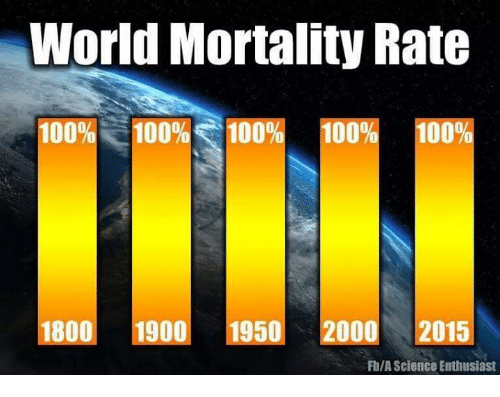
He also regularly embraces pseudoscience in the form of exaggerated claims such as this doozy: “Wheat has killed more people than all wars combined.” These folks must be suffering a long, painful death because in the last century, the average lifespan has more than doubled. Another exaggerated claim is that a non-celiac person can experience 24 hours of diarrhea if they eat a piece of cake. It would take your best birthday present ever to make up for that.

While Davis conducted no research, his book contains pages of endnotes that reference studies and seem to give Wheat Belly a scientific backing. However, a closer inspection reveals the medical mirage. He misuses the studies, even including ones that contradict each other in the same paragraph if it supports his agenda. Blogger and celiac sufferer Peter Bronski details examples of this.

Davis also cherry picks, such as when he fishes for studies that will support his conclusion that wheat is addictive. He asserts that if someone has a pretzel, their brain and body will demand more and more, then revolt if their need for knotted dough goes unmet. But the study he cites to support this was done on the brains of dead rats. There are no human studies suggesting the existence of wheat addiction.

Davis said his health improved after he forsook gluten and his book is full of such anecdotes. He writes of a patient who said he felt better after giving up grain and reports that is one of 2,000 such cases. But this many anecdotes does not equal one piece of data.

Maybe patients did report getting better, but they may have undertaken other lifestyle changes as well. Perhaps some had a pain that was at its greatest when gluten was exorcised, then the hurt coincidentally went away as happens with fluctuating conditions. Perhaps an equal number of patients reported no change or a worsening, but bias caused Davis to dismiss or forget these. This is why when it comes to determining evidence, we rely on double blind studies, clinical trials, and peer review, rather than anecdotes, sweeping generalizations, and trying to boost book sales.

Davis blames celiac for autism, arthritis, Alzheimer’s disease, cancer, heart disease, obesity, schizophrenia, epilepsy, and fibromyalgia. Many of these are common and even includes the number one killer, heart disease. Everyone is going to know someone who died from these conditions and by tying it to gluten, Davis can convince more people to commence with a French toast and linguini hiatus. But the only persons who need to give up gluten are those with celiac and possibly a few other conditions. For instance, going gluten-free may help with irritable bowel syndrome, rheumatoid arthritis, type one diabetes, and psoriasis.

In grand pseudoscientific tradition, Davis offers a flattering self-portrayal of a man fighting against a malevolent trio of Dr. Frankensteins, Big Ag, and complicit government agents. “I’m waging a war against misinformation in health,” he boasts.

Those who follow his advice and go anti-gluten may experience harm beyond the loss of fiber, B vitamins, and minerals. Persons who have a condition they wrongly suspect is caused by gluten will think giving up crackers and Cheerios will fix it while the real problem goes unchecked.

Those with authentic adverse reactions to gluten have mixed feelings about the hysteria. On the plus side, there are many more food options than before. Imagine trying to find a gluten-free cake mix in 1987. On the other hand, they also experience an increasing number of rolled eyes and condescending remarks from those who think they are following a misguided fad when they, for years, have been doing it out of necessity.

It’s possible that gluten may be causing conditions we don’t yet know about. And it’s possible some persons may be having a negative reaction to another wheat component. Certainly, there are some who say these situations describes their situation, though there’s no evidence for it now. There are no gluten sensitivity tests and these claims are limited to anecdotes and self-reporting. But even if this is eventually proven, that’s no reason for all of us to cut out gluten any more than we should eliminate dairy on the chance there might be undiscovered negative reaction to milk not caused by lactose. And persons certainly shouldn’t self-diagnose these conditions unless they are a gastroenterologist. 

“Lagers and ails” (Alcoholics Anonymous)

AU

My name is Wayne and I’m a blogger. Today’s post will be on Alcoholics Anonymous. I’m qualified to tackle the topic, as I’ve done my share of both drinking and stopping. In my mid-20s, I drank like an alcoholic fish. Then I decided enough with the lush lifestyle and went three years with very little consumption. A second round of sustained liver pounding followed, followed by moderate imbibing, and then the light drinking I now do.

Per AA, this gradual path should have been impossible. Persons should not be able to transition in and out like that. Once drinking becomes a problem, it is for life. AA has an all-or-nothing approach, which is problematic because not everyone has the problem to the same degree, for the same reason, or is experiencing it in the same circumstance. AA also insists that the Biblical god be invoked, which is flawed because not all alcoholics are Christian. Incorporating biblical teachings and a leaning on a network of fellow believers will work for some drunks but not all.

AA literature states, “Rarely have we seen a person fail who has thoroughly followed our path. Those who do not recover are people who cannot or will not completely give themselves to this simple program.” It is affirming the consequent to say that if someone follows the path they will be cured and then use failures as evidence the person didn’t follow the path.

Few people jump on Facebook to announce, “AA did me no good, I’m hungover as we write, and that’s been me every day this week.” Similarly, celebrities highlight when they’ve beaten the bottle but not when it has landed a counterpunch. As such, people are usually only exposed to the successes and this makes it seem like it works. It would be like hearing war stories and concluding that battle is safe because all the people talking about it survived.

Gabrielle Glaser wrote a book highlighting AA flaws and criticisms of it were primarily the logical fallacies of appealing to consequences and ad hominem. “When my book came out, dozens of Alcoholics Anonymous members said that because I had challenged AA’s claim of a 75 percent success rate, I would hurt or even kill people by discouraging attendance at meetings,” she wrote, “And a few insisted I must be an alcoholic in denial.”

This is consistent with the judgmental, absolute, our way or the heathen highway approach employed by AA. It also mirrors historical American attitudes toward alcohol. Beer was quaffed on the Mayflower, including by school-age children since no potable water was onboard. The beverage was then embraced by these earliest immigrants, who showed ingenuity by using pumpkins to brew beer when the usual malt was unavailable. However, this welcoming mindset gave way to a puritanical throttling that forbid all pleasures, including drink. Similarly, the alcohol-infused jazz and blues era was ushered aside for Prohibition.

AA continues with this no-middle-ground mentality, hammering attendees with the mantra of, “Once an alcoholic, always an alcoholic.” But I quit when I wanted to and this strategy has many other successful adherents. In 1992, the National Institute on Alcohol Abuse and Alcoholism polled 4,500 persons who had been dependent on alcohol at some point. One-third who had treatment were still lushes, while one quarter of those who had received no treatment were. So quitting on your own was 30 percent more successful than seeking treatment.

University of New Mexico psychologists perused several controlled studies on alcoholism and concluded the best bet was an impromptu encounter between a patient and health-care worker in a standard medical environment. For example, a physician performing a routine physical on a 37-year-old who has two decades of sustained drinking behind him, may tell the patient, “You’d best lay off if you want to have a functioning liver two years from now.” And the patient does just that.

There are many reasons people decide to reduce or eliminate their drinking. They may realize they cannot continue their college ways if they want to be a successful young professional. They may be hit with the magnitude of parenthood and know that rolling on the floor with slurred speech and peppery language sets a poor example. They may get away with an instance of drunk driving and resolve to never play this motorized version of Russian Roulette again.

Meanwhile, an analysis of methods published  in The Handbook of Alcoholism Treatment Approaches ranks AA just 38th out of 48 methods. A Cochrane systematic review confirmed the effectiveness of brief interventions, while another Cochrane review found no evidence that AA works.

While the fault lies with the approach, AA participants are made to feel like they are to blame if backsliding occurs. If they drink again, it’s because they failed to follow the steps. Compounding the problem is that AA paints itself as the lone solution, so if you lose that, you have no more hope.

The first AA step is to concede powerlessness, when a better strategy would be to equip problem drinkers with the tools and means to succeed. And again, a substantial drawback is that half the steps reference the Christian god, which is going to be irrelevant and off-putting to those who follow another religion or no religion. This also highlights the error trying to incorporate faith into a medical issue. If a heart surgeon, optometrist, or neurologist told you the solution would be found with “a greater power,” “turning your will over to God,” or having him “remove character defects,” you would, I hope, seek another provider. But a patient trying this approach with AA will be told they are in denial. After all this, it’s no wonder they want a drink.

“Micro-fish” (Macroevolution denial)

better

The position of anti-Darwinians is, ironically, an evolving one. Tennessee infamously banned the teaching of human evolution in public schools, resulting in the John Scopes conviction that was overturned. That law and those like it remained on the books until the Supreme Court struck them down in 1968.

With this defeat, politically-active creationists tried a new tactic of calling for equal time. This is a sound notion when there are genuinely competing ideas, such as what exist in string theory, the makeup of dark matter, and the rate of the universe’s expansion. And creationism fits nicely into comparative religion and philosophy classes. But it lacks the hallmarks of science, as it is unfalsifiable and untestable. Evolution, by contrast, can potentially be falsified every time there is a geologic dig. The field would be turned upside down if a mallard fossil were found alongside fossils of 3-billion-year-old amoebas in the Geologic Column. It can also be tested, which is what’s happening in Richard Lenski’s ongoing e. coli experiment at Michigan State. There are mountains of scientific data relating to evolution and none that pertain to creation. That, along with public school creationism being considered an endorsement of religion, led the Supreme Court to strike down equal time attempts in 1987.

Because that ruling noted Louisiana was attempting to promote a specific religion, creationists rebranded themselves as Intelligent Design advocates. Their new argument was that organisms’ complexity and axiomatic signs of design meant this all had to have been guided by a higher power, but that this could be any god, goddess, or unknown force. This was a disingenuous absurdity that no one believed. The façade was so transparent that the Discovery Institute’s publication outlining this nouveau strategy had Michelangelo’s The Creation of Adam on its cover. This attempt to squeeze Genesis through the back door of public schools was shot down by another Supreme Court ruling in 2005.

The next tactic was the fraudulently-named Louisiana Science Education Act, which called for “supplemental” material to be used. This was intended to give ostensible legal cover for teachers who violated the Supreme Court rulings. The act mentioned evolution and climate change as allegedly “controversial ideas.” Climate change was added so that something besides evolution would be mentioned and the law wouldn’t solely reference religion. It also helped that climate change is the other prominent area in which cultural conservatives most soundly reject the science. There is no reason for such laws, as all sides are presented when there is genuine controversy, such as with aforementioned string theory and dark matter.  

This latest gimmick is on shaky legal ground at best, but has yet to be challenged in court. A substantial problem is that organizations like the ACLU or the Freedom From Religion Foundation are usually deemed to have insufficient standing to sue in such cases. A parent or student usually must be the one to do so, and most Louisiana teens and adults are just fine with the Abrahamic god being promoted with tax dollars. To be challenged, there would have to be a parent or student willing to risk the ostracism, abuse, threats, and physical attacks that would likely be foisted upon them.

Creationists also show nimbleness outside the political arena. When On the Origin of Species was first printed, there was apoplectic shock from some members of the religious community. Preachers unleashed a torrent of outrage on this unspeakable blasphemy. How dare there be any challenge to the first chapter of Genesis! God created all animals in their present form and that’s that.

But then biologists began seeing confirmation of Darwin’s ideas. Biological populations were changing over time, they were adapting to their environment, and they were keeping genetic mutations that proved advantageous. This included camouflage, slighter build in birds that allowed for faster migration, and even aesthetic changes that made them more appealing to potential mates. Allele frequencies consistent with genetic mutations and natural selection were documented. Single-cell microorganisms were seen mutating in a manner that increased chances of long-term survival. Biologists became increasingly aware of endemic species and began mapping branches of common descent based on fossil records and comparative biology. Evolution was and continues to be observed. If wanting to see it in action in a Petri dish, click here.

Faced with literally seeing evolution occurring, creationists had four choices. They could mimic R.E.M. and lose their religion. They could dismiss the observed evolution as Satanic trickery, a tact favored by Theodore Shoebat and U.S. Rep. Paul Broun. They could embrace the science but insist that God is its source, which is done by biologist blogger Kelsey Luoma. Or they could concoct a haphazard ad hoc hypothesis that tries to drive a wedge between microevolution and macroevolution. This final option will be our focus for the rest of this post.

The idea is that small changes are acceptable but not big ones. For example, the extinct lizard hylonomus may have adapted to its environment by evolving a more efficient toe pad, but a very long series of such changes could not have led to humans. In fact, creationists draw the line at the lizard’s ancestors ever becoming any other species, though they don’t quite define what that means. Answers in Genesis writes that the ability to breed is probably a defining characteristic, but clarifies that there may be exceptions, so they give themselves cover either way.

In truth, there is no microevolution or macroevolution. There is only evolution, the change in inherited characteristics of biological populations over time. Luoma wrote, “The only difference between micro and macroevolution is scope. When enough micro changes accumulate, a population will eventually lose its ability to interbreed with other members of its species. At this point, we say that macroevolution has occurred. Random mutation and natural selection cause both micro and macro evolution. There are no invisible boundaries that prevent organisms from evolving into new species. It just takes time.”

The counter idea started with Frank Marsh in 1941, following his creative interpretation of Hebrew texts. He deduced that God had created “kinds,” a term that neither he nor his likeminded creationists have ever bothered to define. This leaves ample room for interpretation, but as much as I can tell, they base it on appearance and the ability to breed. They also seem to allude to “kind” being very roughly comparable to the biological category of Family. The only steadfast rule is that humans are the only animals allowed to occupy their “kind.” Despite sharing 22 of 23 chromosome pairs with chimpanzees and having an almost identical bone structure to other apes, people get their own category, owing to creationists’ special pleading, desperation, and arrogance.

Marsh called this new pseudoscience field baraminology. Baraminologists have never drawn up a tree or diagram to explain how it works, so it’s a guess which “kind” each animal should be placed in. But it seems to rely mostly on similar features. For example, they would consider all horses to be of one kind, and this would likely include donkeys and zebras. But while these equines might be somewhat similar in appearance to a giraffe and have an even vaguer resemblance to a hippopotamus, it is unlikely that the baraminologist would put these other animals in the same “kind” as horses. That would be getting terrifyingly close to Darwinism.

For 25 years, Marsh had the baraminology field to himself, but it picked up adherents when the idea of fitting 10 million creatures and their 15-month food and water supply on an oversized ship seemed untenable. By saying that each fortunate duo that boarded Noah’s ark is the ancestor of 10,000 different types of animals, the amount of space needed is greatly reduced.

One example of how this works is to put all cats in one kind. This leads to an incredible irony. Folks who mostly reject evolution will enthusiastically embrace a hyper version of it in which two felines who stepped off Noah’s ark 5,000 years ago are the ancestors of all tigers, jaguars, pumas, lions, bobcats, lynxes, ocelots cheetahs, panthers, cougars, saber-toothed cats, and your pet calico Fluffy. While evolution this fast could occur with artificial selection – it did with dogs – applying it to natural selection would require assuming it takes place exponentially faster than it does. It also means ignoring the fossil record and the worldwide distribution of big cats. For instance, it does not explain how panthers would have gotten from Turkey to Brazil.

Some theories have small gaps in them. By contrast, baraminology is a gaping, sucking hole with a tiny amount of theory thrown in. Those who created, expanded, and defended the field have never defined it, quantified it, explained it, nor offered any illustrations, graphs, trees, or publications that would demonstrate how it works or help anyone make sense of it.

At the other end of the spectrum is Dr. Jerry Coyne, biology professor emeritus at the University of Chicago. He says macroevolution is supported by embryonic forms, the fossil record, and “dead genes.”

Mammals, birds, reptiles, and fish are all in their own biologic class, but look so similar before birth that it sometimes takes experts to tell them apart. Also, traits of one animal may be present in the embryonic state of a separate animal, even across classes. For example, human embryos have gill slits that disappear before birth. This implies common ancestry with fish and as the branch split, different traits were either further evolved or became vestigial. In another example, whales have a pelvis remnant that is pointless for aquatic travel but which would have served their land-roving ancestors well.

Besides these clues, there is also the fossil record. Coyne wrote, “We have transitional forms between fish and amphibians, amphibians and reptiles, reptiles and birds, reptiles and mammals, and between early apelike ancestors and modern humans.”

It’s not just a matter of what, the when is also important. Again, per Dr. Coyne: “Those transitional forms just happen to occur at the proper time in the fossil record. Mammal-like reptiles – the transitional forms between reptiles and early mammals – occur in the sediments after reptiles were already around for a while, but before easily-recognizable mammals come on the scene. It’s not just that they look intermediate, but that they lived at the right time for demonstrating a true evolutionary transition.”

Then we have “dead genes,” Coyne’s term for stretches of DNA that don’t produce a product, but are largely identical to working genes in other species. “These are likewise evidence for distant ancestry between ‘kinds,’” Coyne wrote.

Examples he cited included humans having three dead genes for egg-yolk proteins, which are still active in our distant cousins of the reptilian and avian persuasions. In another instance, whales and other cetaceans have hundreds of dead olfactory-receptor genes, which implies a terrestrial origin for these ocean-dwelling mammals. These genes are active in deer and even the most desperate baraminologist would not put Bambi and Willy in the same kind.

Creationists demand being able to see molecules-to-man evolution in real time and when this is not possible, they will declare this a “gotcha” moment. But just as DNA is better evidence than an eyewitness during a trial, we can see macroevolution in the form of transitions between fish and amphibians, amphibians and reptiles, reptiles and mammals, reptiles and birds, and ground-bound mammals and whales.

The attempt to bridge the vastly disparate ideas in Genesis and On the Origin of Species is called theistic evolution. It has few fans among either biologists or creationists, particularly the Young Earth subset. But I would like to acknowledge Luoma, the theistic evolutionist I quoted earlier in the post.

First, she  wrote that macroevolution has been observed in three instances involving finches, mice, and flies. In these cases, separate breeds branched off and within a few years, the resultant organisms were incapable of breeding with the original population.

Second, Luoma has a biology degree from a legitimate institution and accepts scientific evidence without first checking to see if it squares with Genesis. She is content to credit God with “perhaps creating and sustaining the process by which new species are created.” This is a superfluous addition that lacks any evidence, but it sure beats science denial. She accepts the science, promotes the science, and calls for only science to be taught in biology class.  

Luoma describes herself as “an evangelical Christian and student of biology who is very interested in resolving the conflict between faith and science.” There is no conflict, as that requires two hostile parties. The assault is unilateral. No scientists or skeptics are trying to force churches to teach Darwin. The only aggression comes from creationists and politicians who try to get their religion and science denial taught in taxpayer-funded schools.

While a literal reading of Genesis cannot comport with biology and astronomy, Luoma would gladly teach biology on Friday, then worship God on Sunday. If creationists would follow her lead, the issue would be resolved.

“Aging glacially” (Anti-aging treatments)

rate-use

Our society respects the elderly but worships youth. As such, there exist many products that purport to arrest the aging process. But 51 leading aging research experts concluded unequivocally that none of them work, even a little.

They come in many forms. Starting alphabetically, antioxidant supplements are touted as being able to eliminate the production of free radicals and, by extension, slow a person’s aging.

As we sometimes see in pseudoscience, marketers will incorporate a grain of truth in their shaker of hooey. For an antioxidant is indeed a molecule that prevents the oxidation of other molecules, and said oxidation will produce cell-damaging free radicals. That’s why regularly eating fruits high in antioxidants is a wise lifestyle choice that may well reduce the risk of some cancers, macular degeneration, and other medical misfortunes. But there is no science to support the idea that antioxidant supplements will do this or slow the aging process.

A more invasive anti-aging idea is hormone treatments, which aim to replenish the body’s supply of estrogen, testosterone, or human growth hormone. Experiments with senior men have shown that declines in muscle mass and skin elasticity can be slowed in the short term with HGH replacement, while estrogen replacement may benefit some postmenopausal women. However, the men suffered from excess bone growth and carpal tunnel syndrome, while the elderly female patients showed increased risk of breast cancer and blood clots. But whatever rewards and risks come with the treatments, the team of 51 specialists stated that, “Hormone replacement therapy has a place in the treatment of specific age-associated disorders, but evidence that it affects the rate of aging is lacking.”

Then we have a large assortment of supplement mixtures. Unlike proponents of the previous products, most mixture advocates don’t pretend to be embracing scientific principles. Rather, they pride themselves on being in on a secret and getting one over on Big Science, Big Ag, and Big Pharma. Dr. Harriet Hall, the SkepDoc, notes that, “A typical example is Seanol Longevity Plus, which contains brown seaweed extract, resveratrol, iodine, and vitamin D. There have been no clinical studies of the product, and there is no evidence that the ingredients affect aging either singly or in combination.”

Hall also came across a couple of especially comical anti-aging postulations. She found an online chiropractors debate about whether the spine could be manipulated into a perfect alignment that would guarantee immortality. Then we have the most idiosyncratic method, which belongs to self-described futurist Ray Kurzweil. He thinks science will conquer disease, aging, and death by the time he is 120. He plans to make it that long through a regimen of gobbling 250 supplement pills daily at specified times, all of which are washed down with 10 glasses of alkaline water, 10 cups of green tea, and red wine. This is complemented by a weekly IV vitamin infusion. I’ll have my toddler check in on him in 2065 and see how he’s doing.

Many plays, films, novels, poems, paintings, and songs address death. These works of art deal with such themes as confronting one’s mortality, the impact on those left behind, and whether death makes life pointless or gives it its meaning.

Dispensing with such passions, death is the cessation of biological functions that sustain an organism. Whether one is a fruit fly whose day of birth and death are the same, or the 10,000-year old aspen tree in which the flying insect lands, death looms for all plants and animals. It is the invariable consequence of living.

The death process goes something like this. When cells divide, errors are made in copying DNA. As the mitochondria in cells generate the energy that sustains us, they also produce free radicals that do damage. Radiation and other environmental factors inflict further perniciousness by causing mutations. Repair mechanisms can limit the damage, but not eliminate it. Eventually the damage reaches an irreparable point. Strictly speaking, no one dies of old age. Instead, tissues, cells, organs, or other biological components malfunction or are left vulnerable to disease. Aging and death are byproducts of the genetic processes that keep us alive.

While there are no products to slow aging or stop death, scientific advances have given those in the developed world an average lifespan of 78, more than double what it was a century ago. The great irony is that those advances – antibiotics, vaccines, Germ Theory, sanitation, food production methods – are cited by those hawking and using anti-aging products as the reasons for the increase in heart disease, Alzheimer’s, Parkinson’s, stroke, and cancer.

But they have it backwards. These conditions are not caused by vaccine ingredients, GMOs, chemtrails, gluten, Wi-Fi, fluoridated water, aspartame, or damaged chakras. They are increasing because scientific advances allow more people to live long enough to acquire these afflictions or to sell bogus products to prevent them.

“Pipe dream” (Baigong Pipes)

rp2

When I had time for such pursuits, I taught myself Tibetan and became reasonably fluent. With no one to speak it with, the ability waned, but I may brush up again if I ever make it to Delingha, a village tucked in a basin below the Himalayan foothills. Outside Delingha rests Mount Baigong and, more specifically, the Baigong Pipes. The Pipes were touted as an Out of Place Artifact (Oopart), which are seemingly modern or even futuristic objects in ancient surroundings, anachronisms that, for a while anyway, evade attempts to explain them.

Inside the mountain are hollow rusty tubes, ranging in size from needle-like to a coconut’s circumference. They run from deep inside the mountain and snake their way to a lake about 10 school bus lengths away. Many are uniform in size and seem to have been placed there deliberately. They are deeply embedded into the mountain’s walls and floor, enough so that humans could not have constructed them that way.

Combine all this with imagination and desire, and some have concluded a species with advanced metallurgical skills came from beyond the solar system to build the Baigong Pipes. That was the conclusion of author Bai Yu following his 1996 visit to the site. He further deduced that the flat open terrain nearby would be ideal for an alien landing site. There was yet another tantalizing twist to the tale. The first scientists to examine the Pipes determined they were composed of eight percent unknown materials and into this information vacuum was plugged the notion of that this eight percent represented alien technology or minerals.

Then scientists from the China Seismological Bureau examined the Oopart using a technique to determine how long it’s been since a crystalline mineral was either heated or exposed to sunlight. The result showed that if these were indeed iron pipes that had been smelted, they were made 150,000 years ago. Humans traipsed into the region 120,000 years later, so this served as a kneejerk confirmation of the alien species sewer system speculation.

Ooparts will infrequently excite Young Earth Creationists, such as when a hammer embedded in Cretaceous lime rock was presented as proof the layer was millions of years younger than those gosh darn secular geologists thought. Mostly, however, Oopart enthusiasts are limited to fans of ancient aliens or long-lost advanced civilizations.

A more terrestrial hypothesis of the Pipes offered that they were fossilized tree root casts, with the roots transforming to soil and then to rock. Experiments confirmed that the pipes contained organic plant material and even microscopic tree rings. As to how they got inside a cave where trees would not grow, scientists concluded that the basin was once a vast lake and over many millennia, floods filled it with debris that included these fossils.

Brian Dunning at Skeptoid further explained, “Fissures could have been washed full of iron-rich sediment during floods. Combined with water and the presence of hydrogen sulfide gas, the sediment could have eventually hardened into the rusty metallic pipe-like structures of iron pyrite found today.”

So the Pipes were never part of an alien sewer, but rather the result of Earth science in action. As usual, reality was intriguing enough. And it turns out that there is at least one other place on Earth with such distinctive pipes and they had been discovered earlier than those at Mount Baigong. They were first found by geologists, not E.T. enthusiasts, so there never was an alien angle ascribed to them.

Writing in the Journal of Sedimentary Research in the early 1990s, the researchers reported they had found fossilized tree casts in Louisiana soil. These cylindrical structures were dated to about 85,000 years ago and their chemical composition depended on where and when they formed. The results were metallic structures, almost identical to the Baigong Pipes. So that’s either the explanation or it’s proof the alien plumbers opened a second location.


“See Spot Ruin” (Terrorist detection)

babycheck

I have been fortunate to do extensive international travel and am doubly fortuitous to have received almost nothing in the way of scrutiny when doing so. About 10 visa applications have been approved posthaste and I am almost never stopped for additional questioning following a couple of standard queries at passport control.

I have been briefly held up twice. The first time was in Australia and may have been due to my bizarre clothing choice. I left from Hawaii in June and had forgotten about seasons being switched beneath the equator. I showed up in the winter sporting shorts and a T-shirt and this unintended eccentricity may have raised alarm. The other occasion came while returning to the United States from South Korea when there was a minor issue with my wife’s permanent resident card. We were ushered into a cramped room of five dozen travelers, the two of us being the only non-Muslims. We weren’t even there long enough to sit down before our problem was resolved and we left behind others who had been waiting for hours.

Having pale skin does not always guarantee such harassment-free travel. In one horror story, college student Nicholas George missed his flight while being harangued for five hours by angry FBI agents who wanted to know if he approved of the Sept. 11 attacks. George had been plotting to teach himself Arabic and was caught traveling with language flashcards. TSA agents were going through his luggage because he had been selected for a further screening by behavior-detection agents. There are 3,000 such agents in 161 U.S. airports, and they are part of the SPOT and FAST programs that aim to root out threats to airliners and passengers.  

The George fiasco was a public display of failure, but how much good do these programs do otherwise? Is it possible to tell through observation if someone is being deceptive or planning a lethal attack?

The science behind such notions is scant. One 2009 report found that TSA agents’ ability in this area was no better than deciding it with a coin toss. Meanwhile, JASON, a group of top scientists that advise the U.S. government, has stated: “No scientific evidence exists to support the detection or inference of future behavior, including intent.” Finally, a 2008 GAO report found that the SPOT failed to “validate a scientific basis for identifying suspicious passengers.” The report reviewed more than 400 studies and concluded that “the human ability to accurately identify deceptive behavior based on behavioral indicators is no better than chance.”

SPOT, which stands for “Screening of Passengers by Observation Techniques,” relies on the methods of Paul Ekman, a former psychology professor at the University of California Medical School. In the 1970s, Ekman co-developed a system for analyzing human facial expressions and he has since extrapolated this into a method for allegedly detecting emotions and deception. He puts particular emphasis on small changes like pursed lips or raised eyebrows. Ekman claims that, with training, the technique’s success rate will hover near 100 percent. However, he says he does not submit for peer review since those papers could be read by scientists in Syria, Iran, and China, who might pass the knowledge onto terrorists. I’ve seen plenty of excuses for refusing to submit for peer review but this is the first time I’ve encountered a rationale of being concerned about a kinesics expert-suicide bomber alliance in the Damascus and Great Wall vicinities. 

And this means that the reasoning behind his claims cannot be examined by subject matter experts. But even without being able to dissect the specifics, scientists and psychologists express serious doubts about the abilities Ekman attributes to his techniques.

In an article for Nature, Sharon Weinberger interviewed psychology professor Maria Hartwig, who told her, “The human face very obviously displays emotion, but linking those displays to deception is a leap of gargantuan dimensions not supported by scientific evidence.”

In fact, SPOT’s methods have never been subjected to controlled scientific tests. Even how such a test would be conducted is unclear. Double blind studies are the standard, but in this case, that would seemingly require the incorporation of real terrorists to see if TSA agents could identify them at a greater rate than they could placebo bombers. A more realistic option might be to have a liar and a truth-teller present their tales to a TSA subject in a controlled situation. For instance, one person could eat a cookie and the other not, then both say that they didn’t. However, in such a case, the fabricator would be less stressed than would be an aspiring kamikaze hijacker, while the person being tested would be under less pressure than at their job since the price for being wrong is astronomically higher in an airport than in a laboratory.

Besides these issues, there is the predictable racial element. Whites, 63 percent of the population, are just 20 percent of those are stopped as a result of SPOT techniques. And whoever is being stopped, it’s not resulting in more terrorist arrests. While plots are foiled all the time, it happens before the conspirators reach the airport or when X-rays detect explosives.

While SPOT relies on trying to decipher facial clues, FAST (Future Attribute Screening Technology) aims to pick up on measurable body changes. The goal is to bring Minority Report law enforcement to airports by pegging terrorists before they strike.

The system measures heart rate, perspiration, and facial temperature, while a high resolution camera is employed to detect furtive eye movements, facial expression, and body movements. There’s even an audio recorder that detects pitch change in voices.

The problem is that, like polygraphs, these implements measure physiological changes but are unable to detect hostile intent. Persons can be under stress in an airport because their business proposal flopped, they missed a flight, their sister is dying, they are jetlagged, or any number of other reasons. Such stressors can set off FAST detectors and make the person a suspect. By contrast, a sociopath who truly believes he will be in glory beside Allah in four hours might by completely at peace and exhibit no alarming symptoms.

In the SPOT program’s first four years, behavior-detection officers referred 232,000 people for additional screening, of which 1,710 were arrested. This success rate of .7 percent seems mighty inefficient, but if a thousand Richard Reids and Khalid Sheik Mohammeds are captured, it’s worth it, right? Well, that’s not usually not who’s being apprehended. The overwhelming majority of those arrests were either drug-related or were for outstanding warrants on non-terror charges.

It is good fortune and good law enforcement that snuffs out terrorism. Reid was stopped because rain and/or perspiration soaked his shoe bomb, while Mohammed was captured by Pakistani security officials who used traditional special operations techniques, surveillance, and a SWAT-like raid.

TSA agents have a thankless job. They are viewed as obnoxious, pedantic, and authoritarian, yet if a terrorist slips through, they are crucified for not having those distinctions in greater quantity. Further, they are being asked to do something that they are inadequately equipped to execute. X-rays, metal detectors, and pat downs will reveal implements of destruction and agents are efficient at rooting those out. But SPOT techniques and FAST technology will not reveal intent, which at least partly explains while Reid’s shoes made it on the airplane while George’s flashcards did not.